Wednesday, May 26, 2021

WELLNESS WEDNESDAYS: Summer Snacks

"A healthy diet can help prevent cancer, since up to 60% of cancer cases are diet-related."

                                                                                                    --PCRM.org 

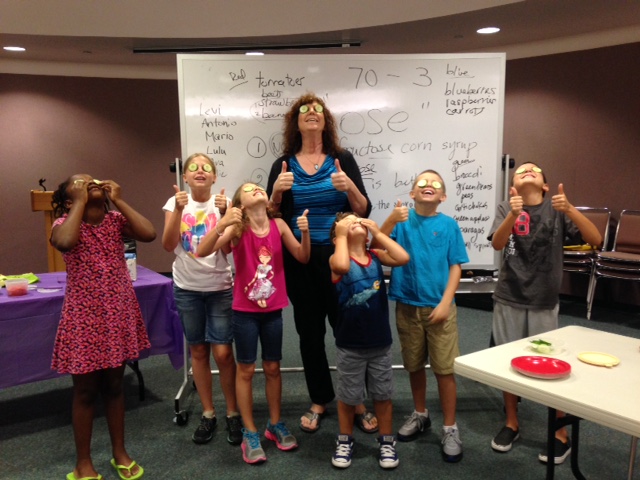
All kids need to learn how to prepare some basic recipes.  Call it survival.  Call it introducing kids to a lifelong love affair with real food.  When kids get to play in the kitchen, they need space to play without judgment.  

One of the best ways to start your kids on a lifetime of healthy eating adventures is to teach them how to make guacamole.  At many of our workshops for kids, it is the adult volunteers who often have the most fun when they learn how to make guacamole for the first time after years of eating it. I have loved Hass avocados (see picture above) ever since I was a kid in California. I remember bringing avocados back to St. Louis from California on my flights when avocados were first introduced to California. Making guacamole involves a lot of fun: you get to mash the avocado, mince the garlic, squeeze the lime, season with cumin, and taste with your favorite chips!

Here’s my favorite guacamole recipe.  Change it up to suit you and your family.

GROWING HEALTHY KIDS:  Our Recipe Collection

GUACAMOLE

INGREDIENTS:

  • 2 ripe avocados, diced
  • 2 cloves garlic, minced
  • Juice of 1 lime
  • Hot sauce - to taste
  • Fresh cilantro and/or dried cumin
  • Pink Himalayan sea salt

INSTRUCTIONS:

In medium bowl, mash avocado to desired consistency.  Add garlic, lime juice, hot sauce, fresh cilantro, cumin, and sea salt.  If I have a really ripe tomato, sometimes I finely dice half of it and stir it in.  If I have a fresh jalapeno on hand, I deseed it and finely dice half of it to add for a pop of flavor. 

Avocados contain the good kind of fat, called unsaturated. They add great flavor to salads, grain bowls, toast, sandwiches, and tacos.  Enjoy!    

With love and kindness,

Nancy Heinrich, MPH

Founder and Wellness Architect

Wednesday, May 19, 2021

WELLNESS WEDNESDAYS: Embracing Local Foods

"The USDA is not our ally here.  We have to take matters into our own hands, not only by advocating for a better diet for everyone - and that's the hard part - but by improving our own.  And that happens to be quite easy.  Less meat, less junk, more plants."

                                                                                             --Mark Bittman


I just finished reading Mark Bittman's new book, Animal, Vegetable, Junk: A History of Food from Sustainable to Suicidal.  Published this year, the book is a must read if you care about where your food comes from and how it is grown.  It is also recommended for all those working to creating local food policies that support local farmers and a sustainable food chain.  It makes me proud of how my grandfather rotated his crops, growing clover and alfalfa as cover crops to replenish the soil on his Indiana farm.

Having survived more than a year of living through a once-in-a-century pandemic, we have become acutely conscious of how fragile our food system is and how unhealthy most of the food grown in the U.S. is.  Mr. Bittman wrote that 75% of the world eats what is considered “peasant food” while most of the food grown in the U.S. is used to create ethanol for fuel and to feed animals destined for the inhumane CAFO (confined animal feeding operations). When the U.S. shifted to monocrop farming and the use of Round-up Ready corn and soybean seeds, the incidence of diseases such as cancer and autism made a rapid rise.  Glyphosate, the cancer-causing active ingredient in Round-Up, is now in most of the U.S. drinking water supply.

In the past year, Louisville chef Edward Lee responded to the pandemic and transformed his love of good food and feeding others to create supports for restaurant workers (Restaurant Workers Relief Program), people living in food deserts (McAtee Training and Community Kitchen), local farmers, and a better farm to fork supply chain.

I choose to vote for locally grown, seasonal organic foods every weekend when I visit the local farmers market wherever I am.  Writers like Mark Bittman raise awareness that we better start caring about how our food is grown in the U.S. by supporting local farmers and rethinking our food supply. Chefs like Edward Lee provide hope that we can do it. After all, food is love.   

With love and kindness,

Nancy Heinrich, MPH

Founder and Wellness Architect

Wednesday, May 12, 2021

WELLNESS WEDNESDAYS: May is Mental Health Month

"When we prioritize our well-being, our creativity, decision making, productivity, and our health all go up across the board."

                                                                                                   --Arianna Huffington 


Working with students with disabilities, I am conscious of how the once-in-century COVID-19 pandemic created layers of stress often invisible to others. Depression and anxiety have increased in students isolated at home for virtual school, staring into a computer for hours, struggling to maintain attention, not getting exercise outside, without contact with friends. Teachers may go weeks without seeing students who are learning at home and keep the computer camera off, limiting teachers' ability to observe subtle changes in behavior, appearance or affect.  Some kids overeat during stressful times, especially now when parents may be working outside of the home, leaving kids alone for hours. 

May is Mental Health Month.  Mental Health America offers a list of 10 tools that can help parents and their children. Your child may not say anything to you, but their behavior, such as withdrawal, silence, lack of sleep, or bad dreams, may indicate a need for help.  When kids' mental health is suffering, it is up to us to act.  

Here are Mental Health America's Top 10 tools:

  1. Connect with others
  2. Stay positive
  3. Get physically active
  4. Help others
  5. Get enough sleep
  6. Create joy and satisfaction
  7. Eat well
  8. Take care of your spirit
  9. Deal better with hard times
  10. Get professional help if you need help

Use these tips to ensure that you and your children are as healthy as possible, in body, mind, and spirit.  We all need Growing Healthy Kids! 

With love and kindness,

Nancy Heinrich, MPH

Founder and Wellness Architect